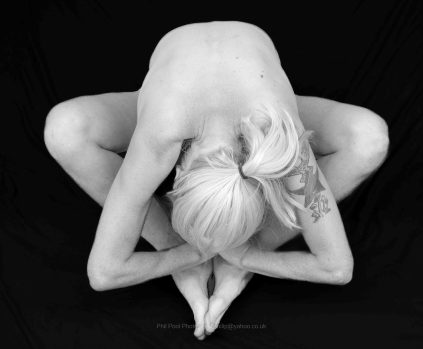
A rationale for a (not the) Free the Nipple Event
I don’t know if this will happen, but I had an idea for an “event” on social media for people to post images of themselves to challenge Facebook and Instagram’s controls over images of women’s bodies. This may be called X event day and seen as a substitute for the physical Free the Nipple marches that won’t be happening this summer because of the stupid virus. The idea is for a link and the interlinked concepts of fuck the patriarchy, free the nipple and stop telling woment what to wear – also the tag #naked protest.
Initially it’d be very useful to agree a #tag and acceptable name for the event as Free the Nipple is a little problematic… but also it’s well recognised.
Note – it’s not about nipples any more than it’s just about Facebook or Instagram. It’s about controls over people’s bodies enforced by organisations operating in a patriarchal social and economic structure in which advertising revenue trumps freedom to live one’s life without fretting about how other people will respond.
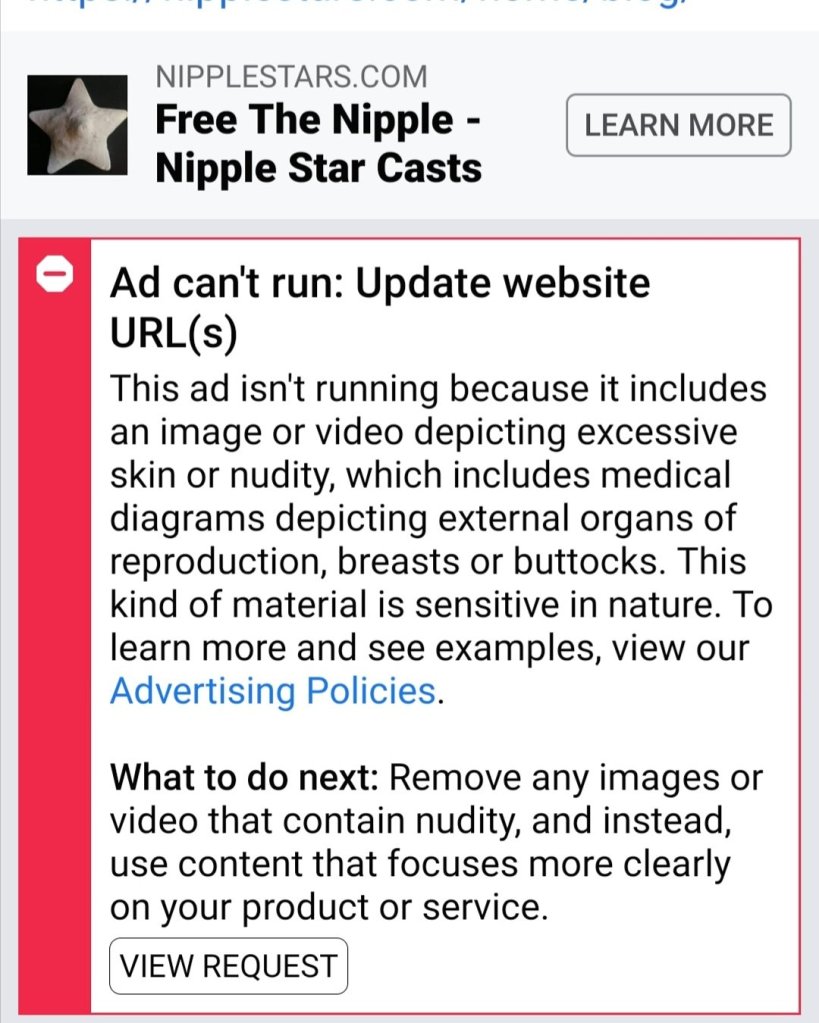
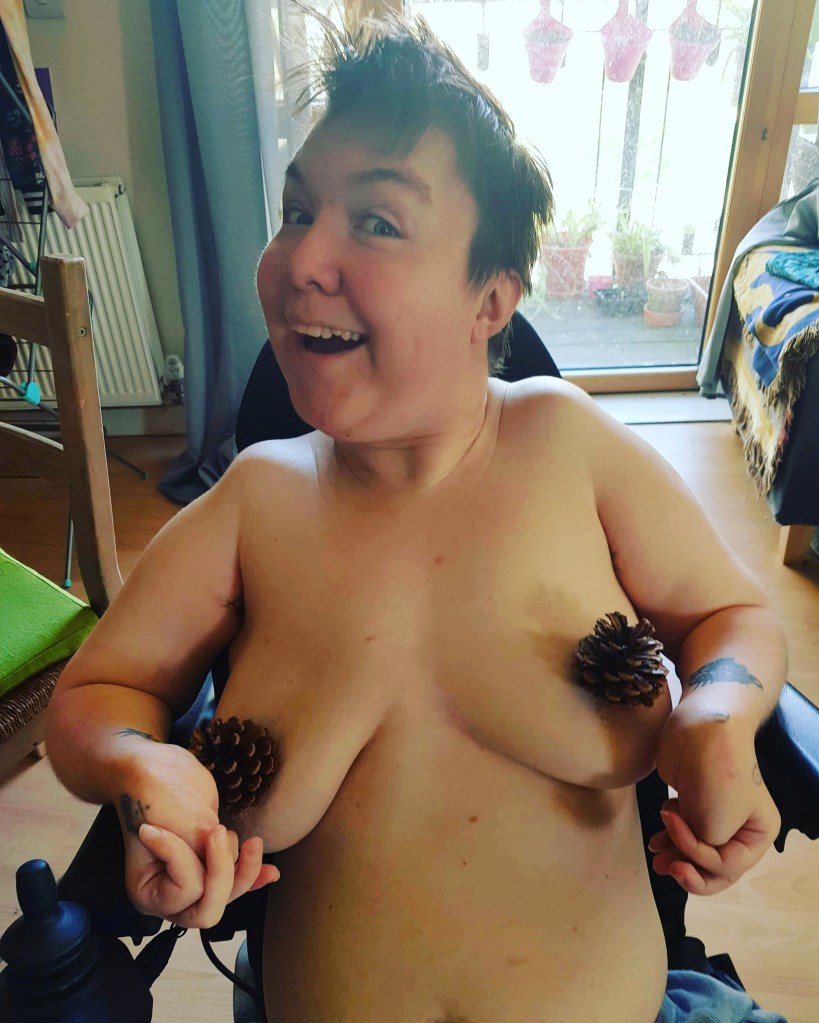
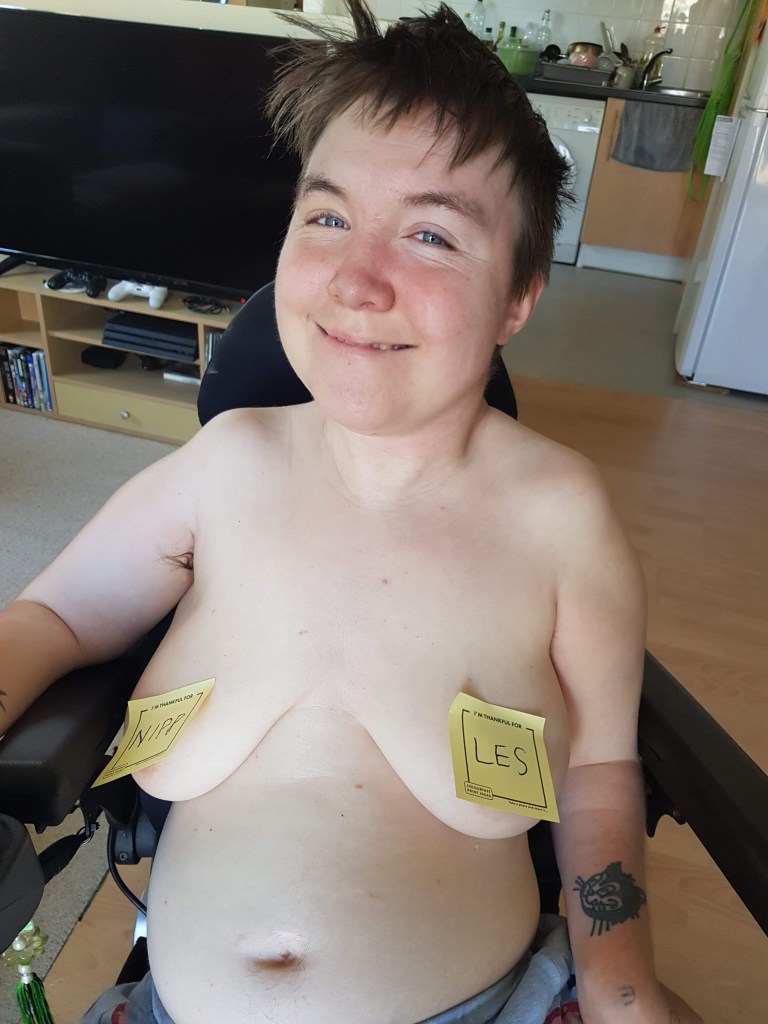
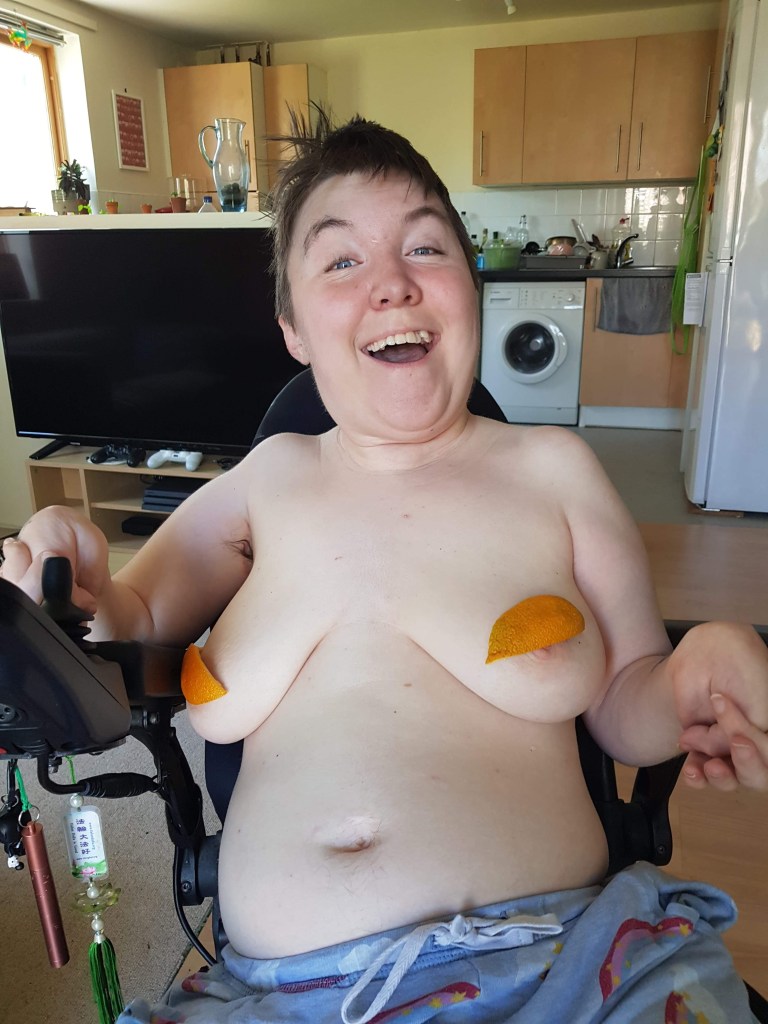
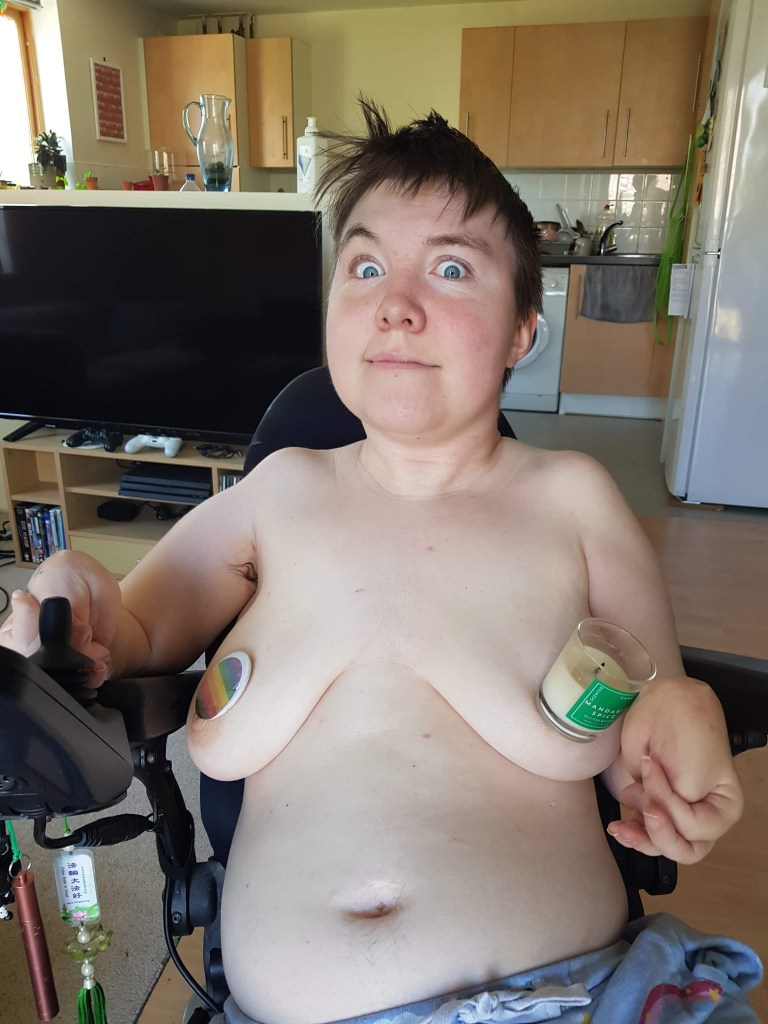
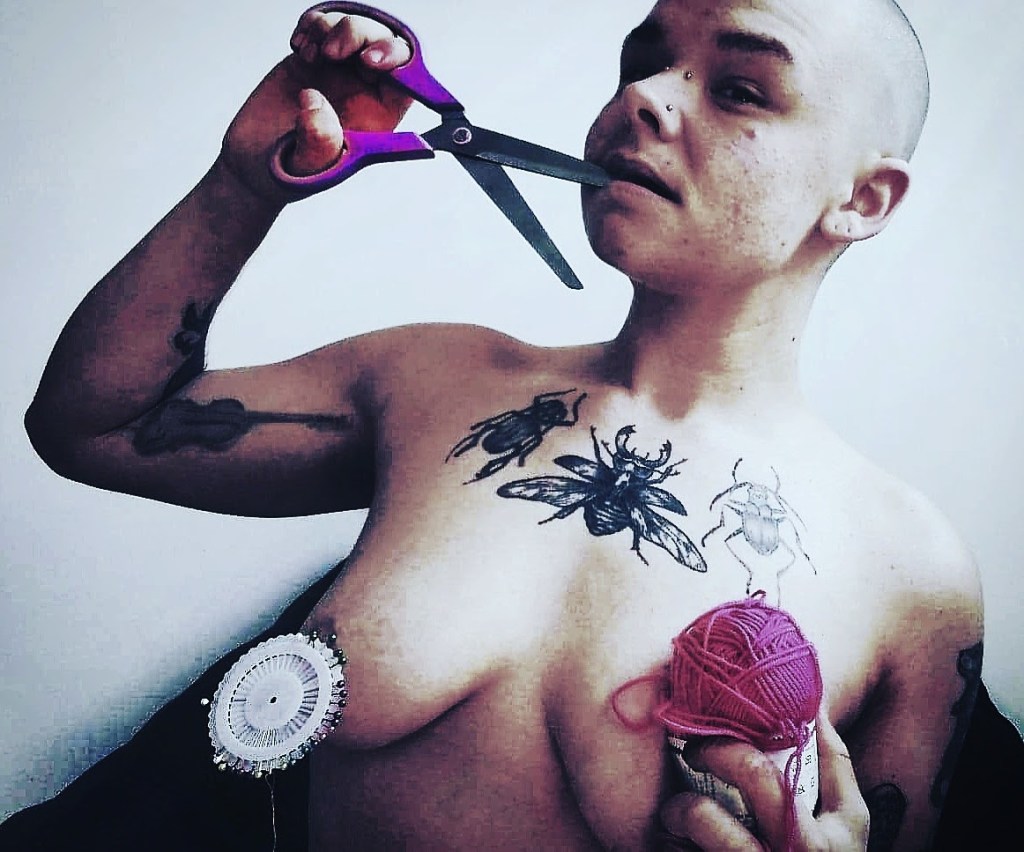
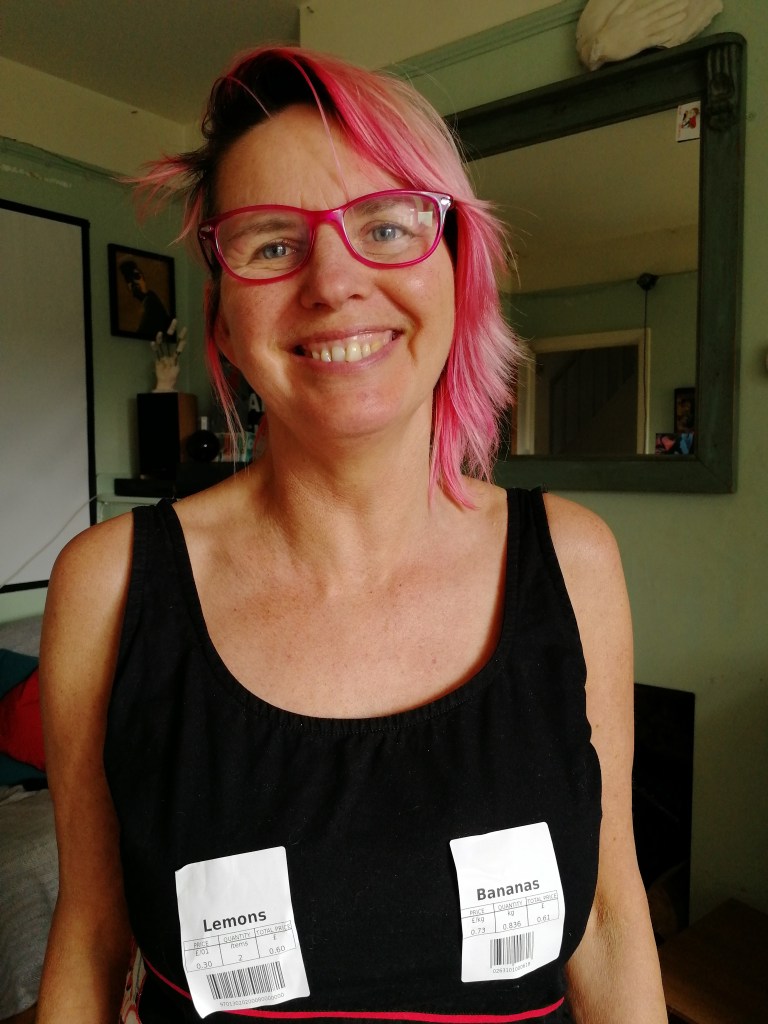
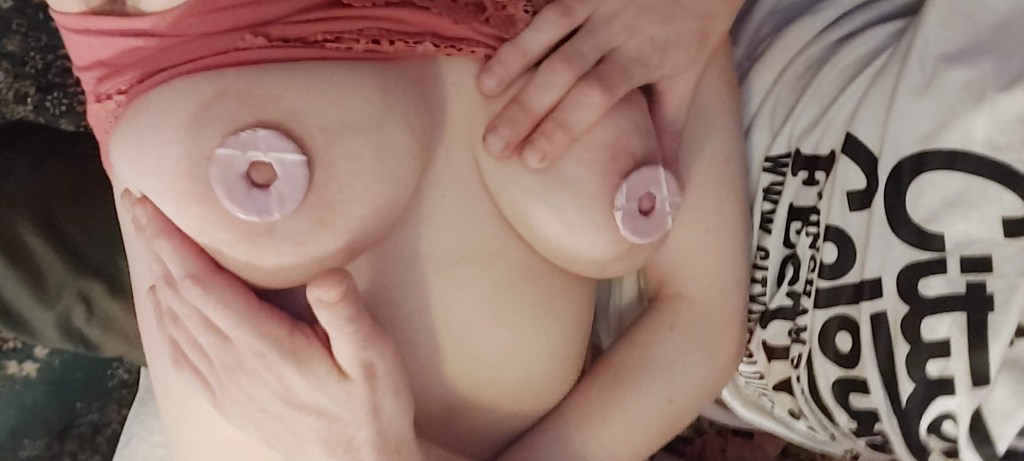
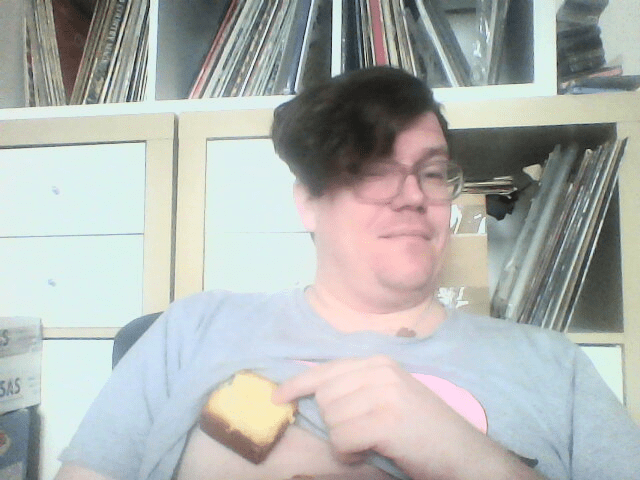
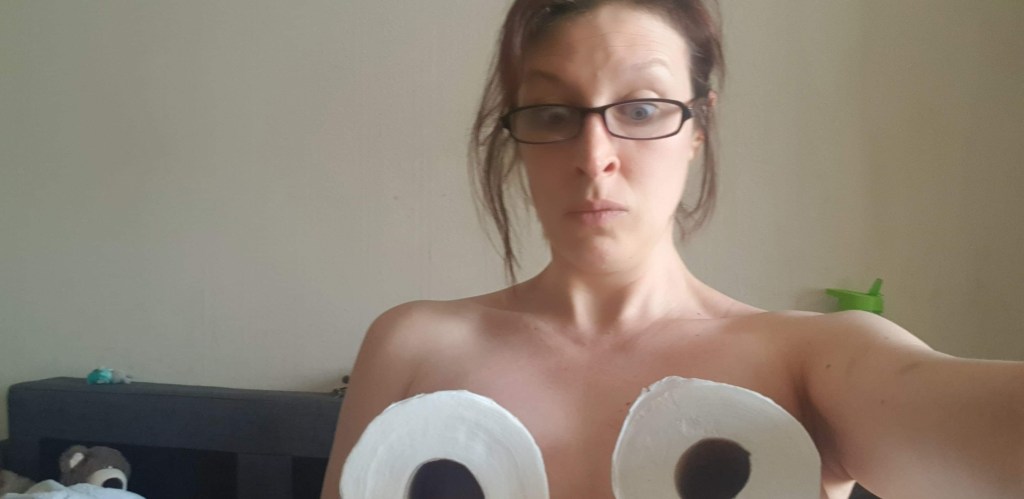
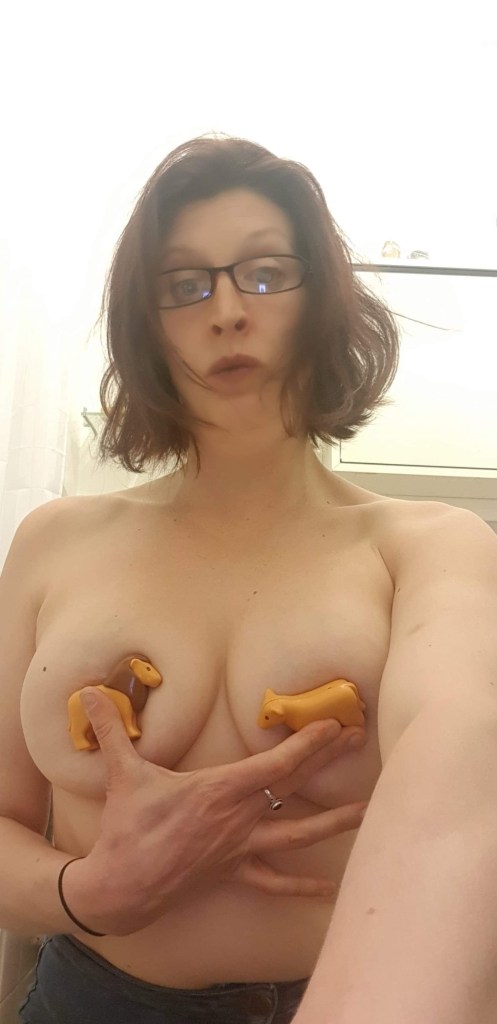
The focus will be on standing up to Facebook and Instagram’s controls on when and how women’s bodies can be shown. It can be about showing censored nipples, or simply showing bodies in whatever way participants want – most likely in a way that challenges expectations.
It’d mainly be women and particularly including people who are trans and non-binary. Not excluding men or being anti their involvement but probably not actively encouraging. However, ideally actively encouraging older people, people who don’t have typically ‘attractive’, ‘fit’ body types, disabled people, people who have fed babies and who have had surgery. Definitely not discouraging younger women whose bodies fit the idealised image of young and attractive – their behaviours are probably under most scrutiny and are the most controlled.
The rules impact most obviously on the showing of women’s nipples. That though is an outcome of wider patriarchal controls over all aspects of our lives in relation to sex and gender but also in relation to older/younger, disabled/non-disabled, fat/skinny, dark/light skin etc.
FB and Instagram say their rules reflect their user’s views and those users are offended by seeing women’s nipples rather than those of men. That is because they believe their users will find the images sexual and, therefore, women must moderate their behaviour. “Sexual” is defined as bad – it’s clearly not bad, but that’s a different fight. It’s rather like telling women what to wear, such as not wearing short skirts, to avoid unwanted attention from men – stop telling women what to wear rather than focussing on the unacceptable behaviour of the men.
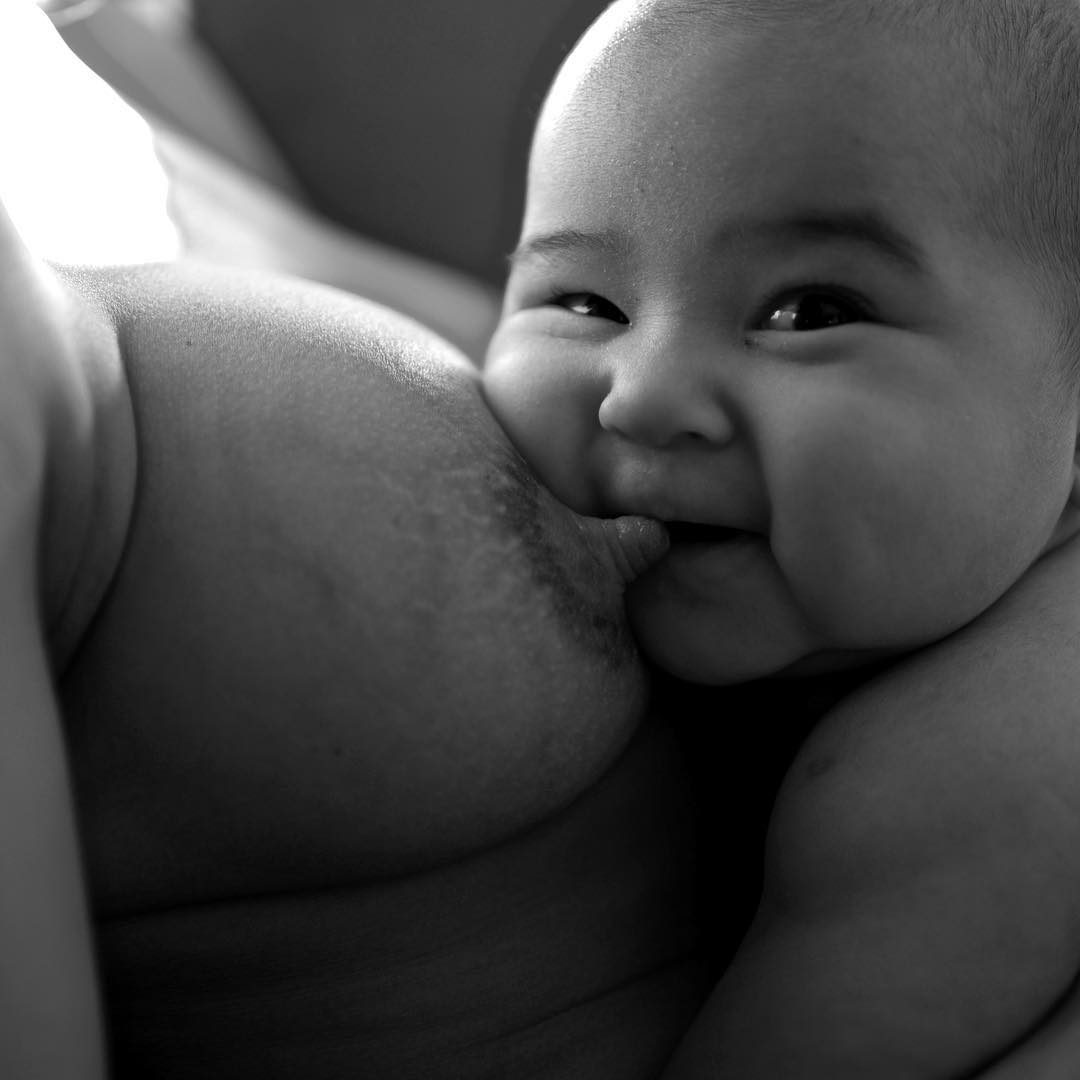
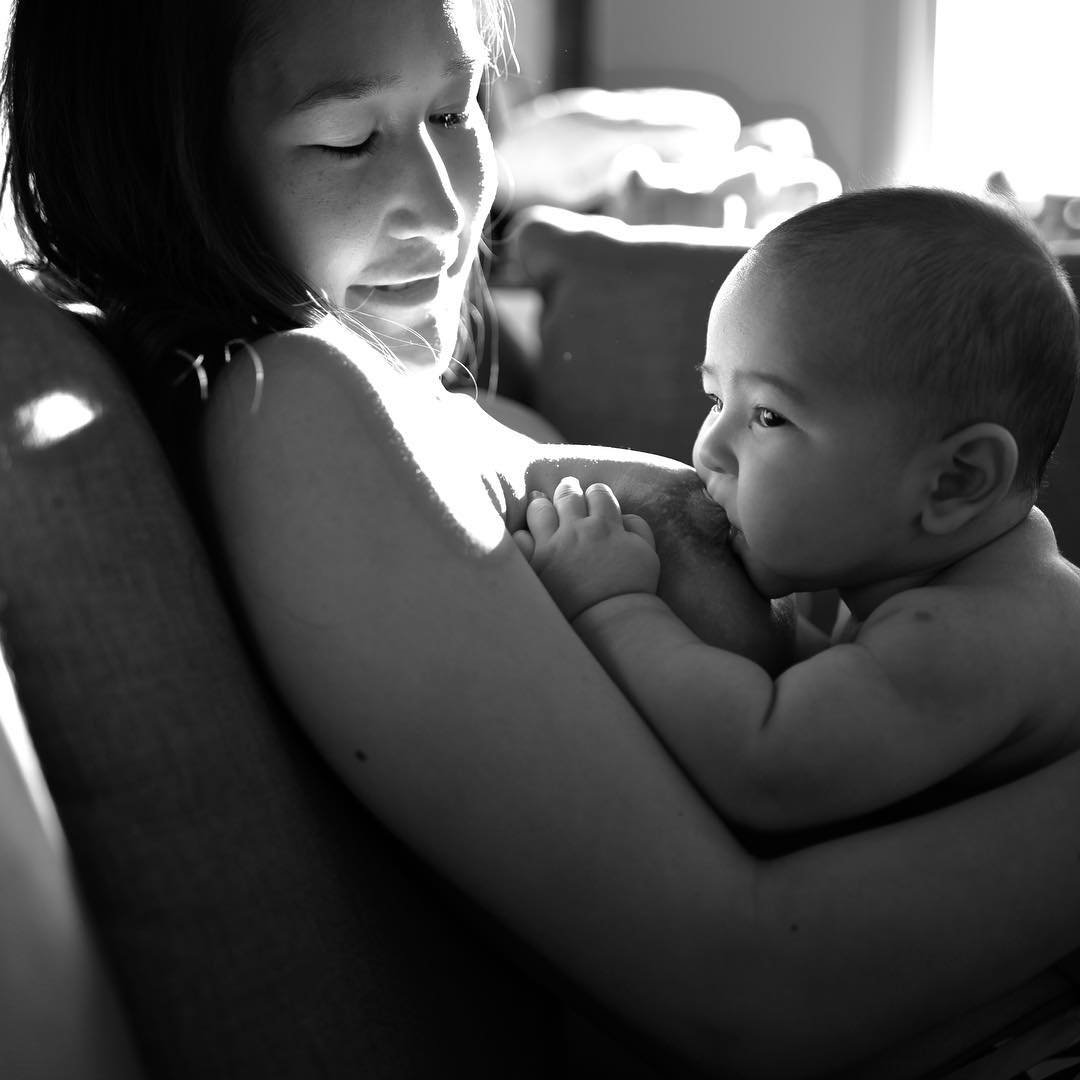
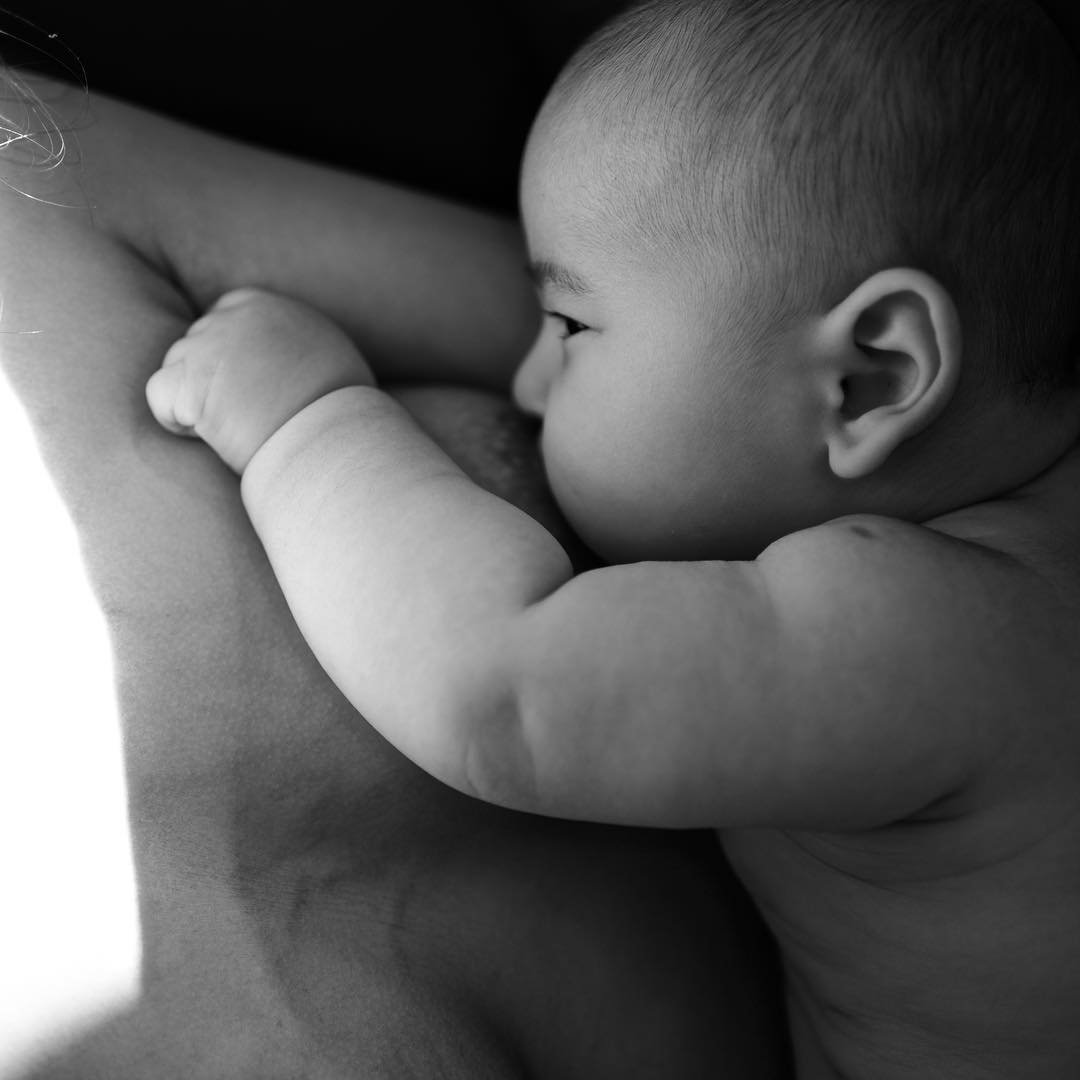
FB and Instagram are determining what is sexual and what is not about women’s bodies and deciding what they may show because of the response they predict in others. Similarly, they have decided which women’s bodies are not sexual so that their nipples can be shown – when breastfeeding and post cancer surgery. Both assertions, sexy and not sexy, are FB and Instagram’s response as is the response of some men to short skirts – like those men, they need to butt out, grow up, seek to encourage positivity etc. But, they will not do so unless actively challenged as these behaviours are normalised to the point of being non-visible given the patriarchal context.
The reason people are offended has very little to do with actually seeing a nipple. Nipples are wonderfully complex body parts, but seen in close-up they are not “sexy”. They are lumpy areas of skin. Womens’ nipples are mostly different in appearance to mens’, they are generally larger. But there is a huge range in terms of appearance and it’d be difficult to determine whether a particular nipple, close up, is on a male or female type body. It’s really not about the nipple, it’s about controls on women.
We attach values and controls on women’s bodies. The values we ascribe, in the crudest sense, align with the value of images for porn or of women objectified as chattels attached to a man. Women’s bodies, their nipples but obviously also their genitals, are treated like possessions to be converted, taken, traded. The nipples, or lack of them, on breasts that are being used to feed babies or that have been removed in surgery, are not ascribed a sexual value – so are of a relative lack of importance and are not controlled. Although actually, that is not wholly correct. Part of the reason that women who are breastfeeding or who have had breast cancer surgery can be shown is a response to very active campaigns by breastfeeding and cancer support groups that have been harder for FB and Instagram to resist.
The focus is nipples and breasts as social media also controls images of men’s genitals. It’d be better, perhaps, to challenge controls on how all bodies are shown covering all aspects of nudity, specialism and so on. But we all know where we are with these issues at this point and we’d simply find ourselves swamped with dick-pics from countless pricks.
The shift away from Free the Nipple as a key focus more towards Smash the Patriarchy isn’t absolute at all, the nipple is an icon in the discussion. And, as with not excluding younger women, it’s an inclusive approach rather than excluding. There is understandable concern though that Free the Nipple is under threat from criticism that it’s mainly younger, white women and it’s lapped up by pervy men.
I think that’s a little unfair, and tends to feed into the idea that those younger women should not panda to the lusts of others – the point is that however those gawpers respond, it’s not up to women to moderate their behaviour. If they want to be topless, to wear whatever they like, that’s up to them and shouldn’t be determined by how others may respond.
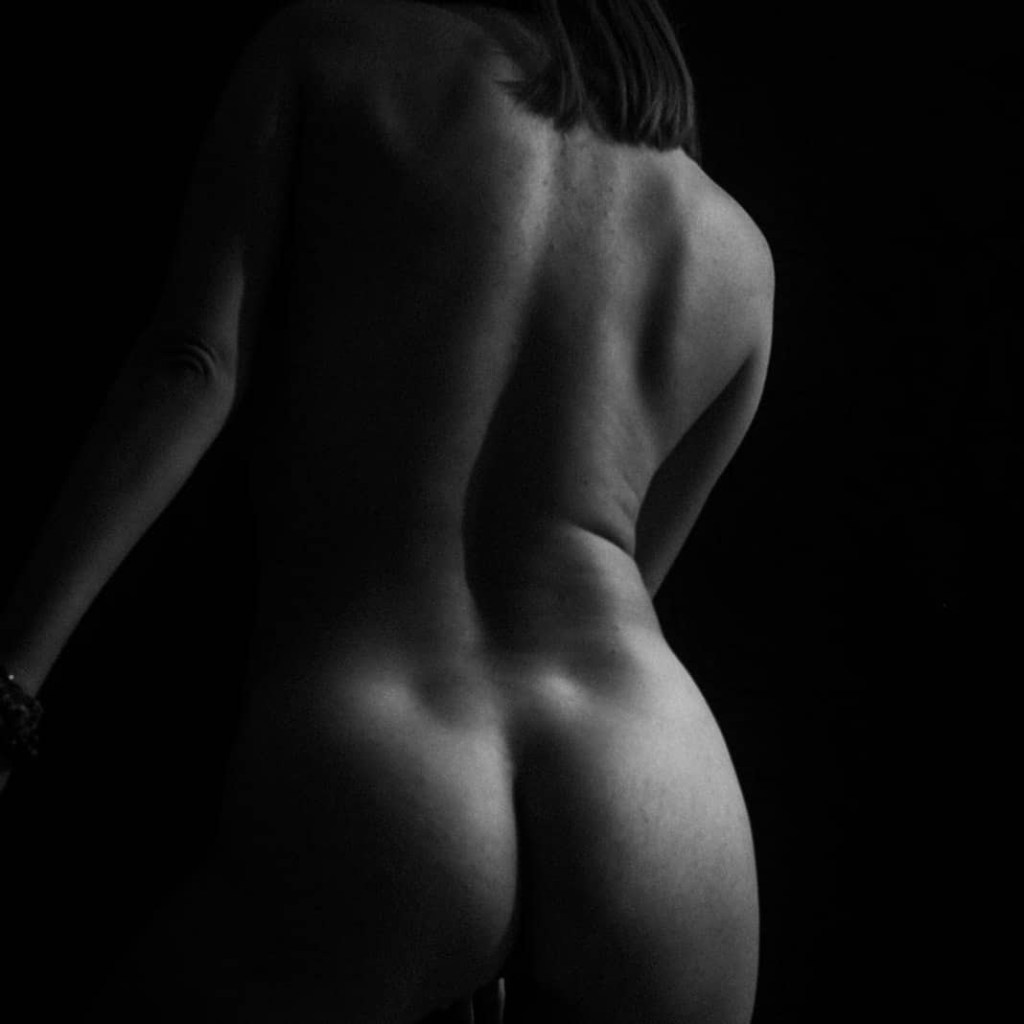
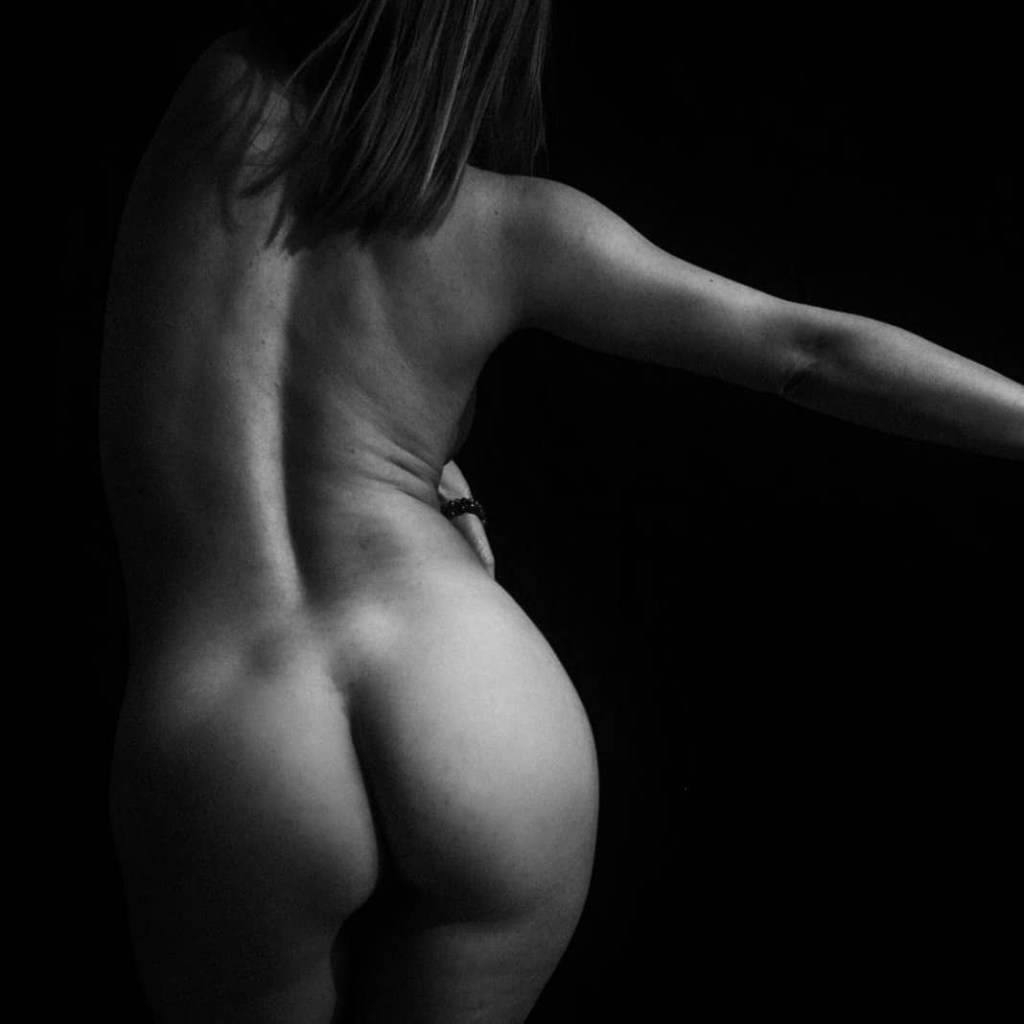
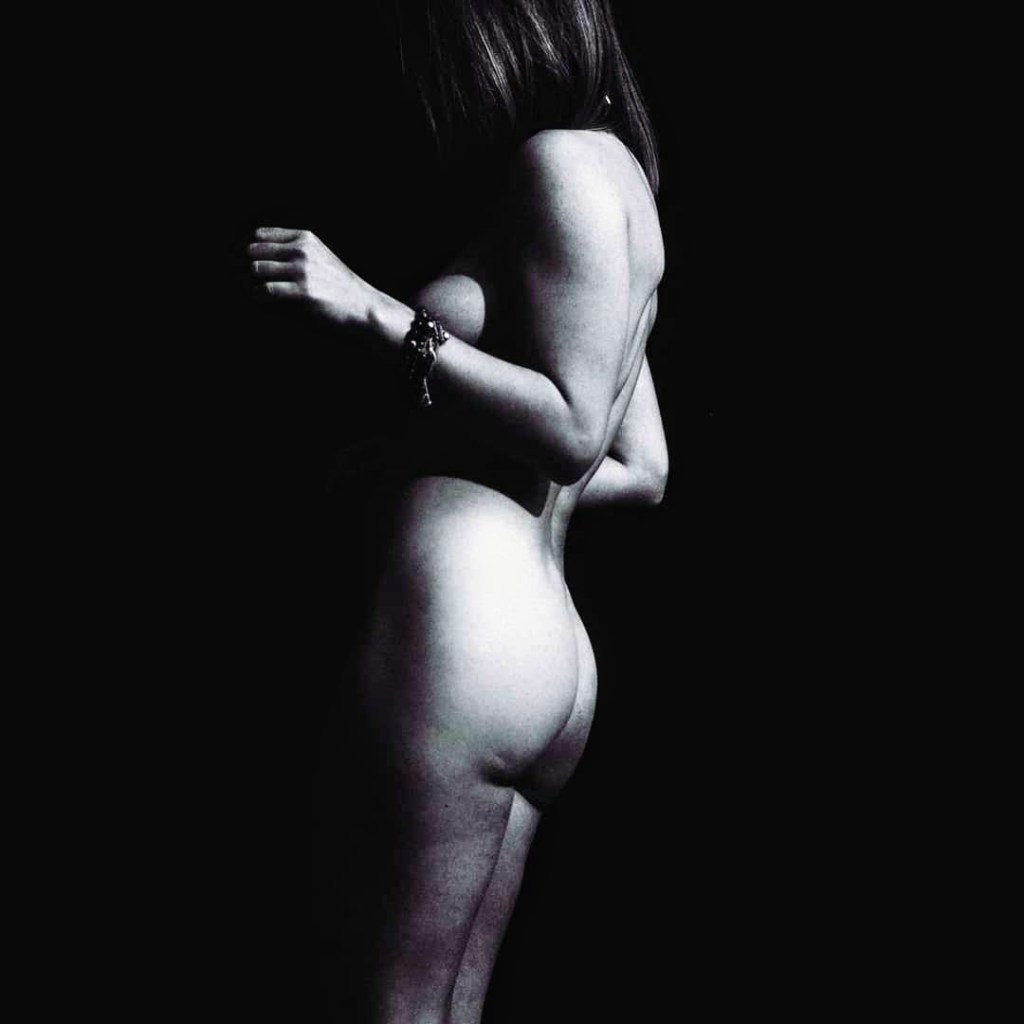
As well as the links between fuck the patriarchy, free the nipple and stop telling women what to wear, there is also value in considering what the point is of having a naked protest, including one that is naked but for conspicuous censorship. The controls are not just over day-to-day behaviour, the equal right to be topless isn’t insignificant but it’s not something that most women will want to be doing any more than most men – men are not topless that often but its not an issue when they are. It’s a matter of having a right denied, of being gawped at, controlled and when wanting to create photographic arts or images for other reasons and being banned if the controls are rejected.
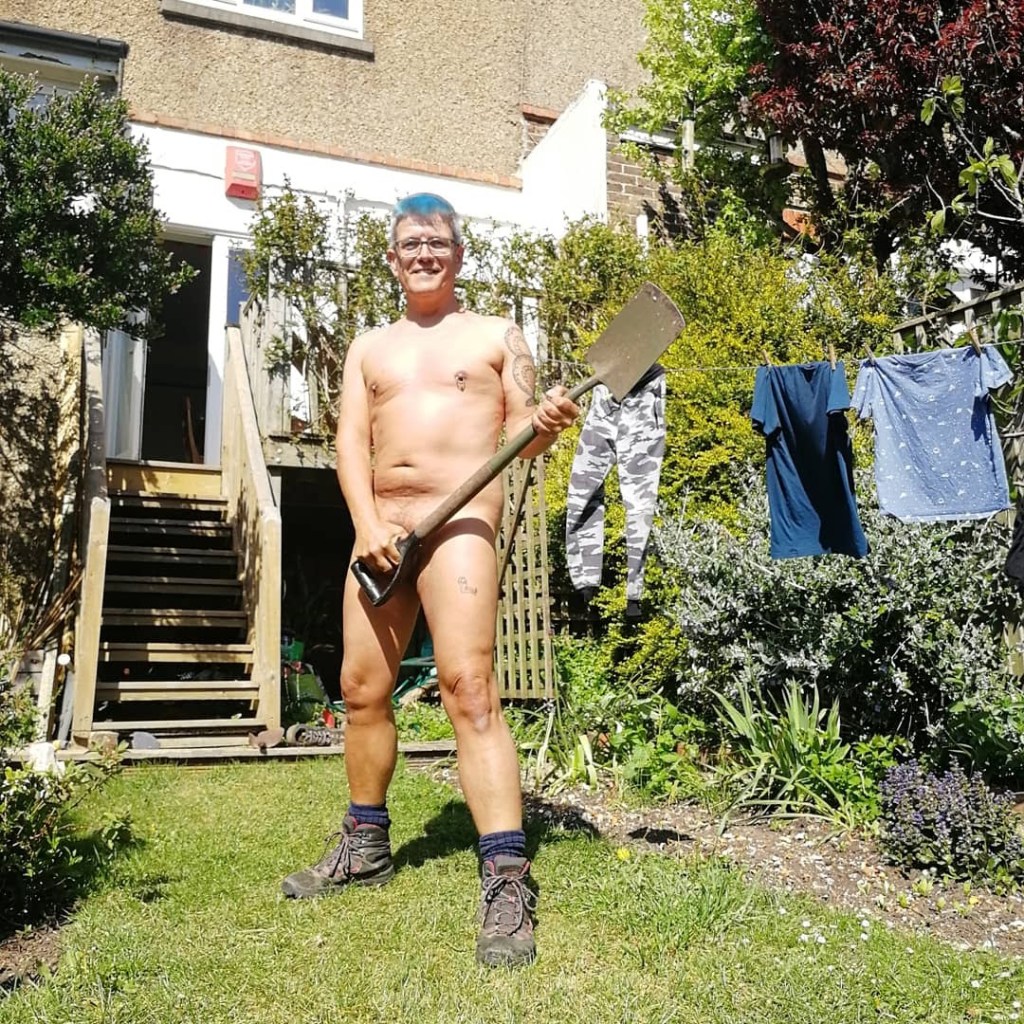
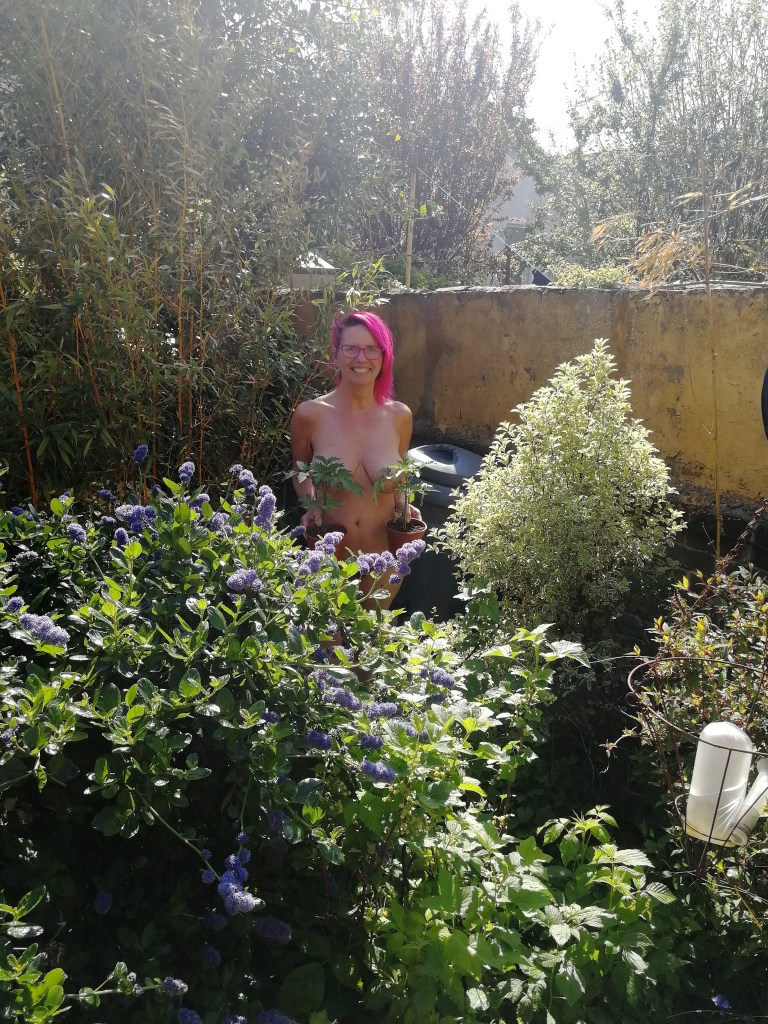
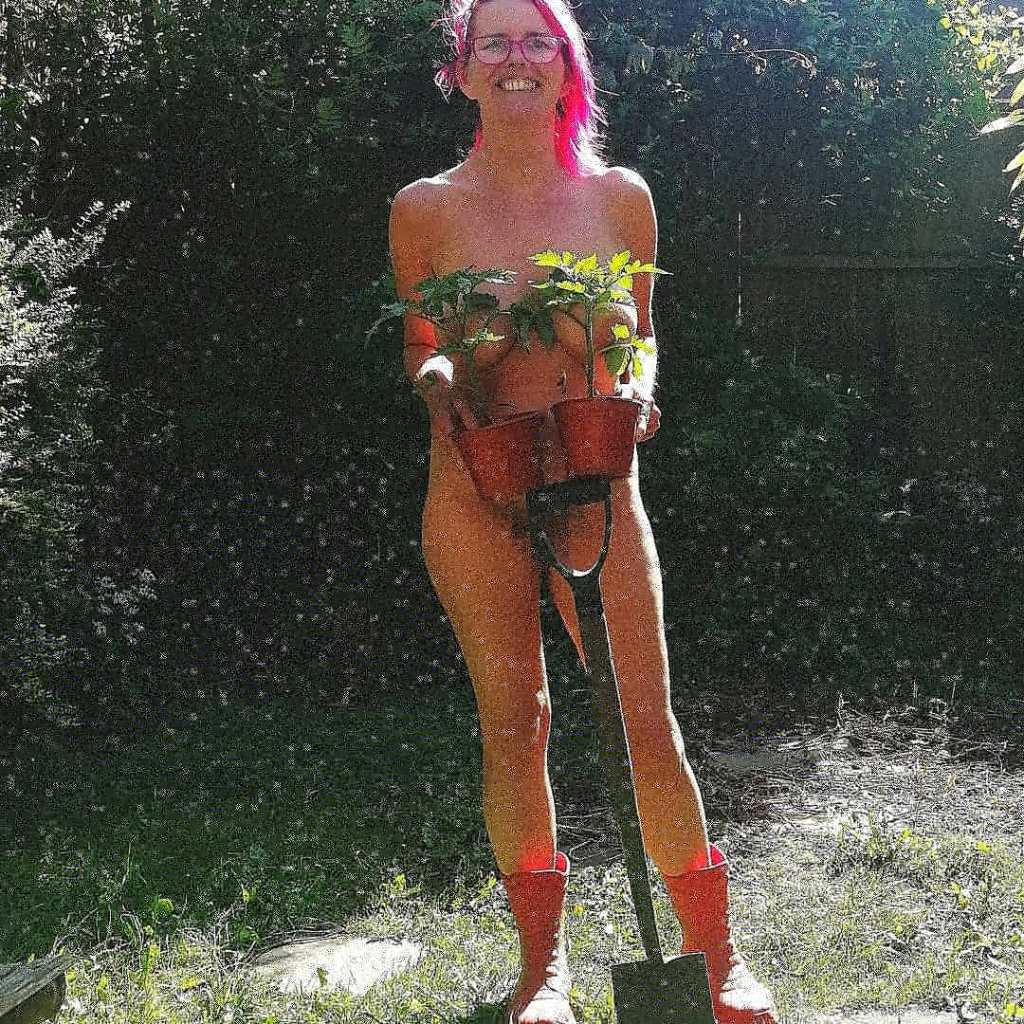
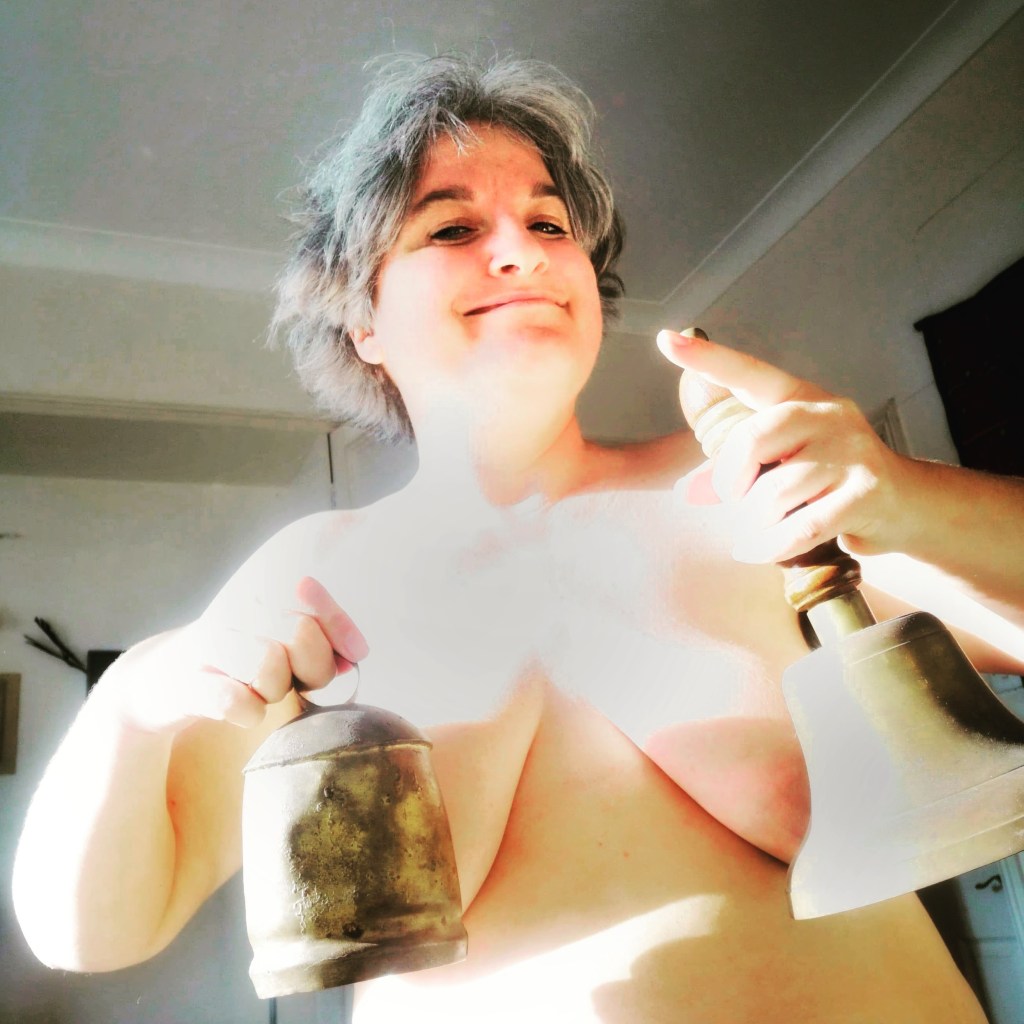
Naked protest has been as tool for 100s of years, its an obvious fuck-off to the controls placed on women in particular but also to men. There is power in doing the very thing that is being banned as a protest against that ban. There is power too in exposure – mass exposure tends to greatly undermine the economic value of nudity (over supply in relation to demand cuts value). You only have to spend time on a nudist beach to realise that in abundance, mass nudity is not only non-sexual, it probably less interesting to observe that people’s beachwear choices and their acrobatics trying to get changed.
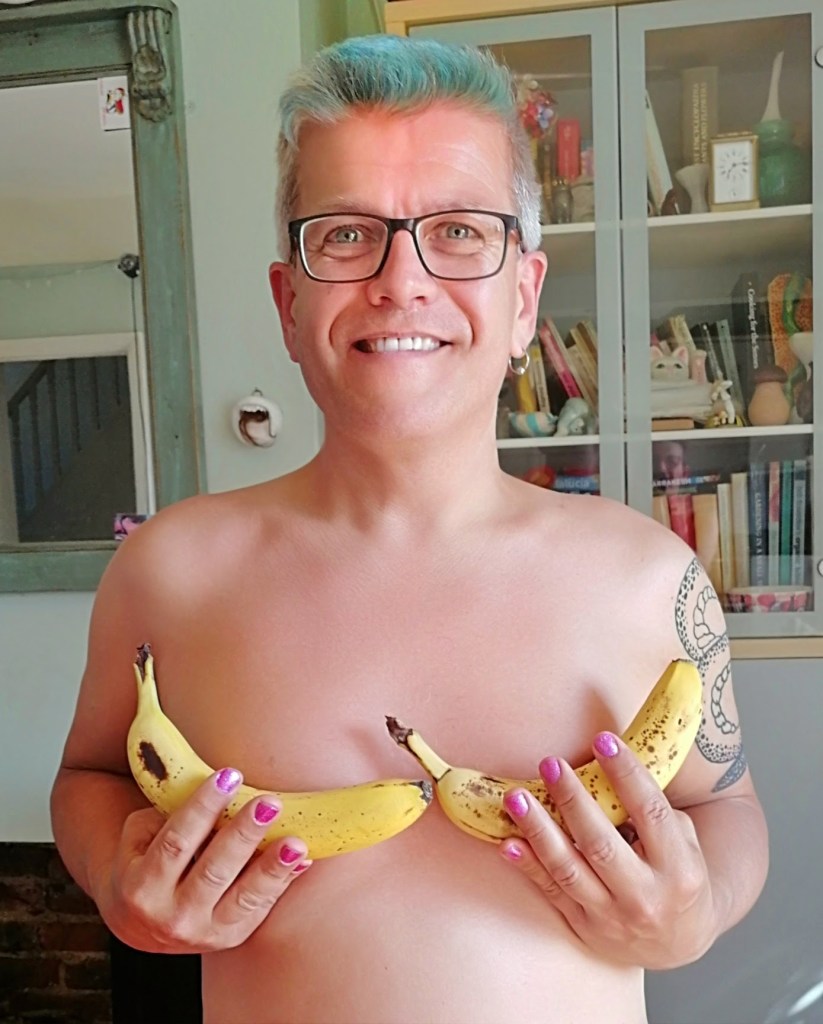
I’m really not sure what the strap line should be…. In particular I’m becoming less and less comfortable with doing more personally as a middle aged man, albeit fairly queer.
Thoughts/suggestions welcome.



 Phil Pool - Art and Protest